Booster Seat Readiness: Age, Weight, Fit & Behavior
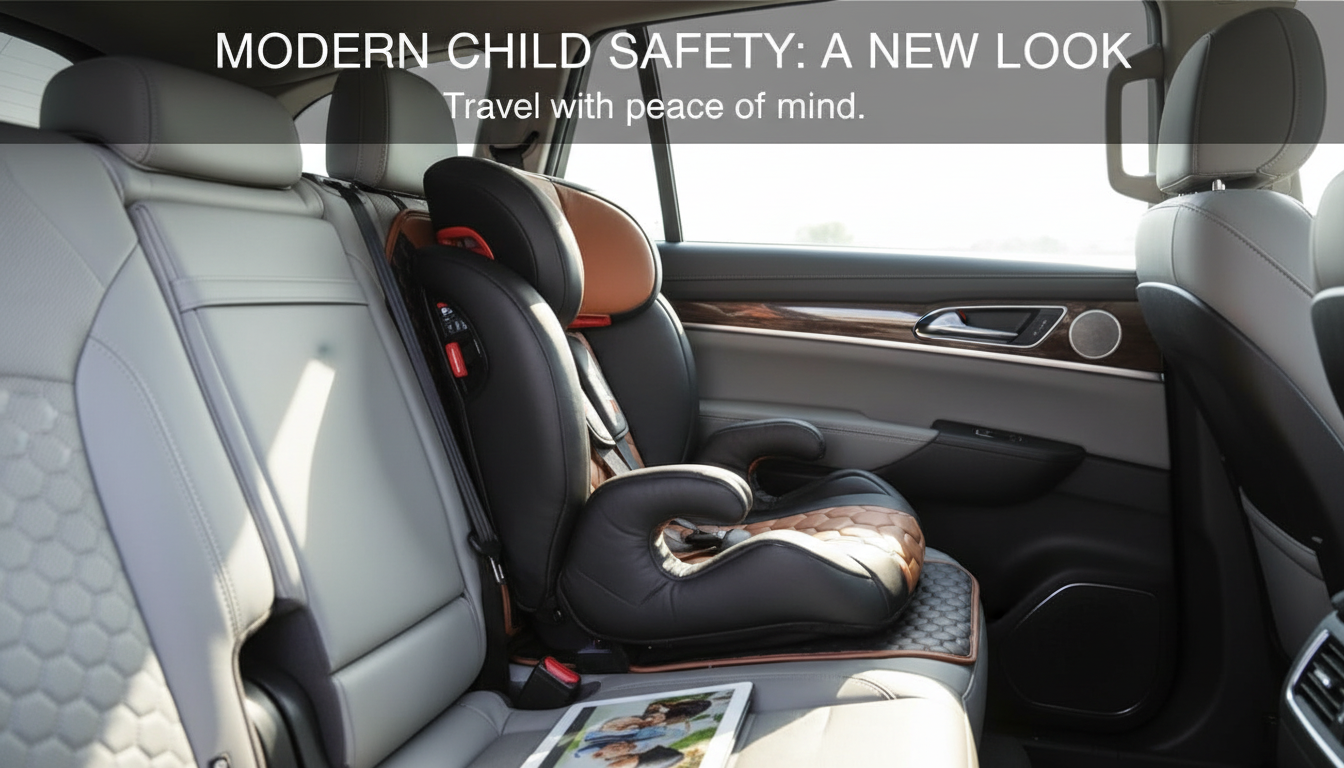
When can a child switch to a booster seat?
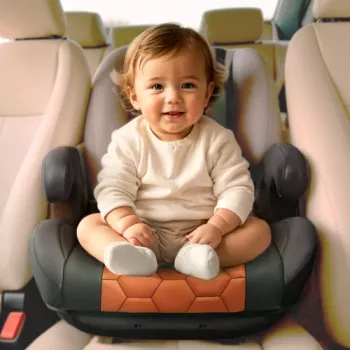
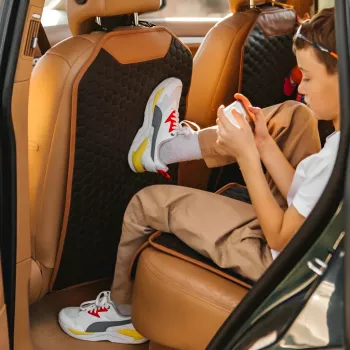
A child can switch to a booster seat once they’ve outgrown their forward-facing car seat with a harness and meet the booster’s minimum requirements. In most cases, that means a child is at least 4 years old, weighs at least 40 pounds, and can sit properly for the entire ride—back against the seat, knees bent naturally at the edge, and the shoulder belt staying on the shoulder (not the neck or arm). Many kids are ready somewhere between ages 5 and 7, but the safest timing depends more on size and behavior than age alone.
Start with the harness seat limits
Check your current car seat’s label and manual for its maximum harness height and weight. If your child’s shoulders are above the top harness slots (for that seat’s rules) or they’ve exceeded the weight limit, it’s time to move up. For many families, that “next step” is a high-back booster, especially if the vehicle has low seat backs or limited head support.
Why behavior matters as much as height and weight
Boosters don’t restrain a child the way a harness does—they position the vehicle’s seat belt so it fits correctly. That only works if the child stays seated correctly the whole time. If your child routinely slouches, leans, unbuckles, or falls asleep out of position, staying in a harnessed seat longer is usually safer.
Quick fit check for booster readiness
In a properly used booster, the lap belt should lie low across the hips/upper thighs (not the belly), and the shoulder belt should cross the middle of the chest and shoulder. The booster should match your child’s size range and fit your vehicle seat well without wobbling or forcing the belt into an odd angle.
For a deeper look at readiness signs, belt fit, and practical tips for choosing the right style, visit the full guide: https://supremehitdepot.shop/when-can-a-child-switch-to-a-booster-seat/.
FAQ
Should I choose a high-back booster or backless booster?
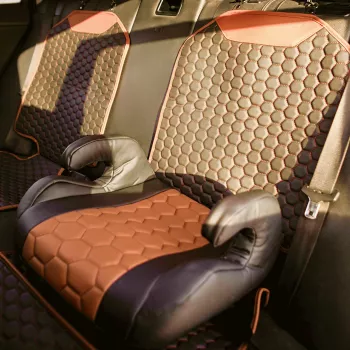
A high-back booster is often a better choice when your vehicle seat lacks head support or when a child needs help keeping the shoulder belt positioned correctly. A backless booster can work well if the car provides adequate head support and the seat belt fits properly without the extra side support.








Leave a comment